

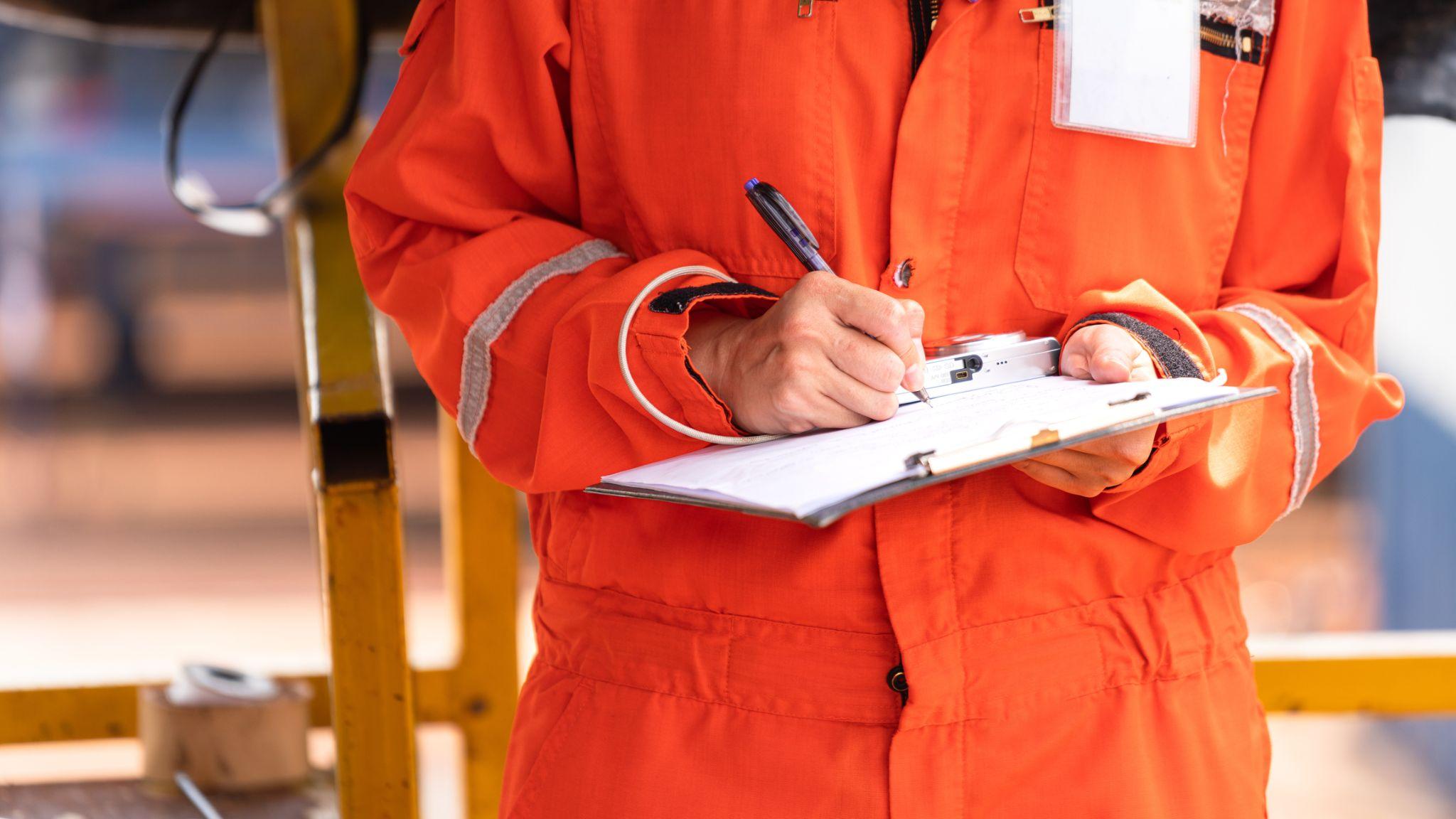
Safety protocols on construction sites are crucial for protecting workers from potential hazards and ensuring a safe working environment. In the United States, the Occupational Safety and Health Administration (OSHA) sets and enforces standards for construction site safety. This article will discuss the key safety protocols that are commonly implemented on construction sites in the United States to prevent accidents and injuries.
1. Personal Protective Equipment (PPE) #
One of the most basic and essential safety protocols on construction sites is the use of personal protective equipment (PPE). PPE includes items such as hard hats, safety glasses, gloves, high-visibility vests, and steel-toe boots. These items protect workers from various hazards, including falling objects, sharp tools, and exposure to harmful substances.
2. Fall Protection #
Falls are one of the leading causes of fatalities in the construction industry. To prevent fall-related accidents, OSHA requires construction sites to have fall protection systems in place for any work performed at heights of six feet or more. Fall protection measures include guardrails, safety nets, and personal fall arrest systems, such as harnesses and lanyards.

3. Scaffolding Safety #
Scaffolding is commonly used on construction sites to provide a temporary platform for workers to perform tasks at height. Proper scaffolding safety is vital to prevent collapses and falls. OSHA requires that scaffolds be designed and constructed by qualified personnel, inspected regularly, and equipped with guardrails and toe boards.
4. Electrical Safety #
Electrical hazards, such as exposed wires and faulty equipment, can lead to electrocution or fires. Construction sites must adhere to electrical safety standards, including proper grounding of electrical equipment, use of ground-fault circuit interrupters (GFCIs), and regular inspection of electrical tools and equipment.
5. Trenching and Excavation Safety #
Trenching and excavation work can be extremely dangerous if proper safety measures are not in place. Cave-ins pose the greatest risk and can be fatal. OSHA requires protective systems for trenches deeper than five feet, such as shoring, sloping, or using trench boxes. Additionally, trenches must be inspected daily and after any event that could affect their stability.
6. Hazard Communication #
Workers must be informed about the hazardous materials they may encounter on the job site. The Hazard Communication Standard (HCS) requires that all hazardous chemicals be labeled, and safety data sheets (SDS) be provided to workers. Employers must also train employees on how to safely handle and respond to exposure to hazardous substances.
7. Tool and Equipment Safety #
Proper use and maintenance of tools and equipment are essential for preventing accidents. Workers should be trained in the safe operation of all tools and machinery they use. Regular inspections and maintenance should be conducted to ensure that equipment is in good working condition.
8. Crane and Hoist Safety #
Cranes and hoists are used to lift and move heavy materials on construction sites. These operations require strict safety protocols to prevent accidents, such as tip-overs and collisions. Operators must be trained and certified, and cranes should be inspected regularly. Load limits must be strictly adhered to, and communication signals between operators and ground personnel should be established.
9. Fire Prevention and Emergency Response #
Construction sites should have fire prevention plans in place, including accessible fire extinguishers and clear evacuation routes. Workers should be trained in emergency response procedures, including how to respond to fires, medical emergencies, and other potential incidents.
10. Safety Training and Education #
Continuous safety training and education are crucial for maintaining a safe construction site. Workers should receive regular training on safety protocols, hazard recognition, and the proper use of equipment. Safety meetings and toolbox talks can be used to reinforce safety practices and address any concerns.
Conclusion #
Safety protocols on construction sites are essential for protecting workers and preventing accidents. By adhering to OSHA standards and implementing comprehensive safety measures, construction companies can create a safer working environment. It is the responsibility of both employers and employees to prioritize safety and work together to maintain a culture of safety on construction sites.


